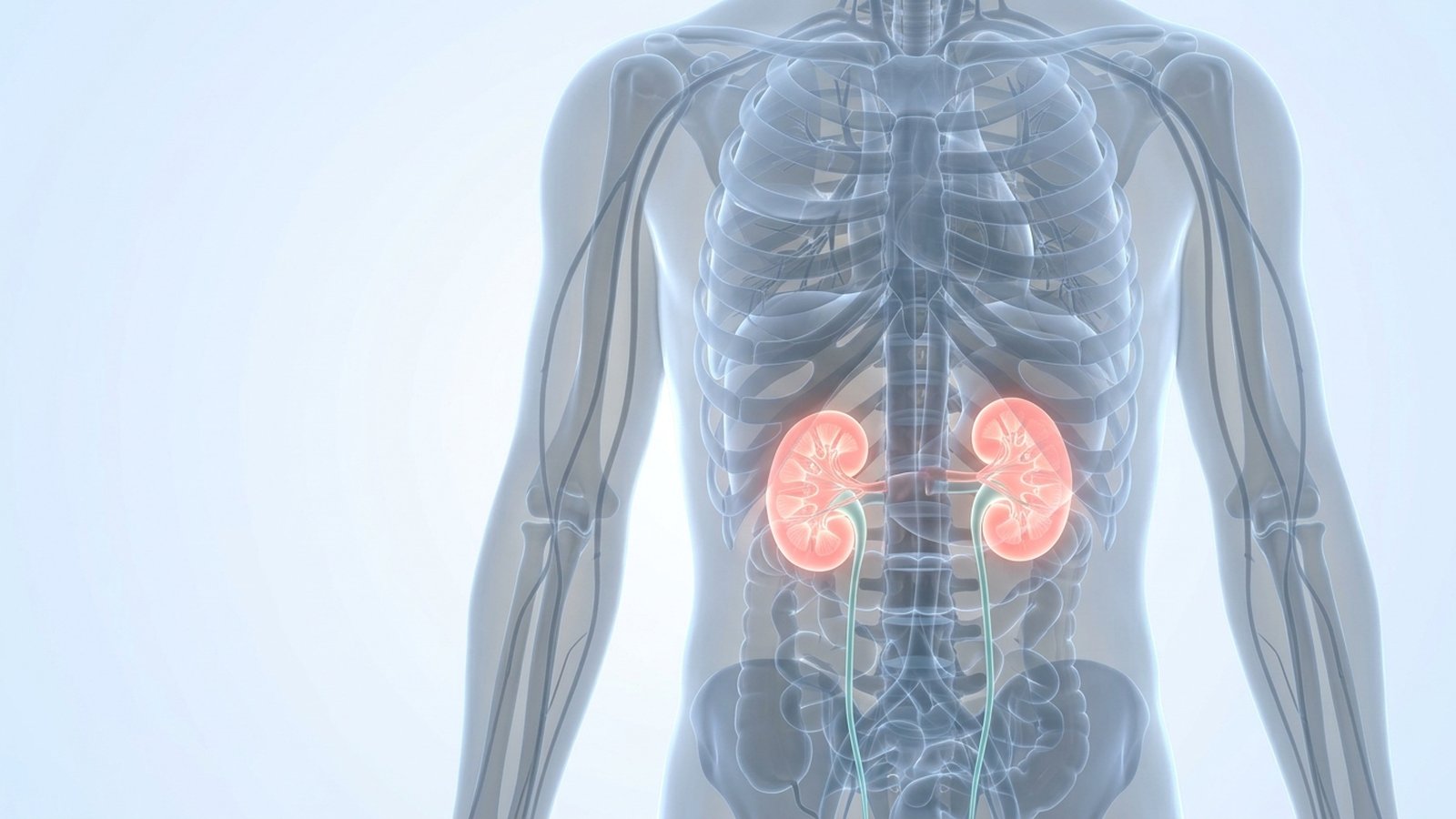
eGFR is the closest thing to a single number for kidney function — and the "e" matters, because it is estimated rather than measured.
What eGFR is
Your kidneys contain millions of tiny filtering units called glomeruli. They remove waste and excess fluid while holding onto the things your body needs. The glomerular filtration rate describes how fast that filtering happens.
Measuring it directly is possible but slow and expensive, so it is largely confined to research and transplant settings. In everyday practice the figure is calculated instead, from your blood creatinine level together with your age and sex at birth. Creatinine is a waste product of normal muscle metabolism, cleared almost entirely by the kidneys — so as filtering declines, creatinine rises and the estimate falls.
Australian and New Zealand laboratories use a standardised formula, the CKD-EPI equation, so results are comparable between labs.
Why it's measured
Reduced kidney function is typically silent until a great deal of capacity has been lost. There is no early symptom to notice, which is the entire argument for measuring rather than waiting.
Testing is more strongly indicated for some people than others: those with diabetes, high blood pressure or cardiovascular disease, anyone with a family history of kidney disease, and people taking medications that affect the kidneys. In Australia, Aboriginal and Torres Strait Islander adults are at higher risk; in New Zealand, Māori and Pacific peoples are.
eGFR is often paired with a urine albumin-creatinine ratio, since protein appearing in urine can be an earlier signal than a falling eGFR.
What the numbers mean
eGFR is reported as a single figure, and higher is better. Around 90 or above is generally regarded as normal. A result below 60 may indicate reduced function — but a single low reading does not establish anything, because chronic kidney disease is defined by persistence, requiring the result to remain low over at least three months or other evidence of kidney damage alongside it.
Several things move the estimate temporarily. Pregnancy changes fluid balance. Some blood pressure medications affect it. And because the calculation rests on creatinine, muscle mass matters — very muscular people and frail or elderly people can both have estimates that misrepresent their actual kidney function.
What eGFR won't tell you
- It's an estimate, not a measurement. The formula is well validated across populations but it is still a model.
- It doesn't identify a cause. Determining why function has declined requires urine testing, imaging, and sometimes a biopsy.
- One result isn't a diagnosis. Persistence over months is what matters, not a single figure.
- Muscle mass distorts it. Creatinine comes from muscle, so body composition affects the estimate independently of your kidneys.
The bottom line
eGFR is the most practical measure of kidney function available and one of the few ways to detect a decline before symptoms appear. Because it is calculated rather than measured, and because it is defined by persistence rather than a single reading, it is a number to track over time rather than react to once.
Sources
- Pathology Tests Explained. (n.d.). Test index. https://pathologytestsexplained.org.au/
- Royal College of Pathologists of Australasia. (n.d.). Pathology tests. https://www.rcpa.edu.au/Manuals/RCPA-Manual/Pathology-Tests
- Kidney Health Australia. (n.d.). Kidney function tests. https://kidney.org.au
Optima Stasis clinical team
Reviewed 16 August 2026. Health Hub articles are reviewed by our clinical team and revisited as guidance changes.