Australia's most common serious inherited condition is one most Australians have never heard of — and it happens to be the one routine blood testing catches best.
What haemochromatosis is
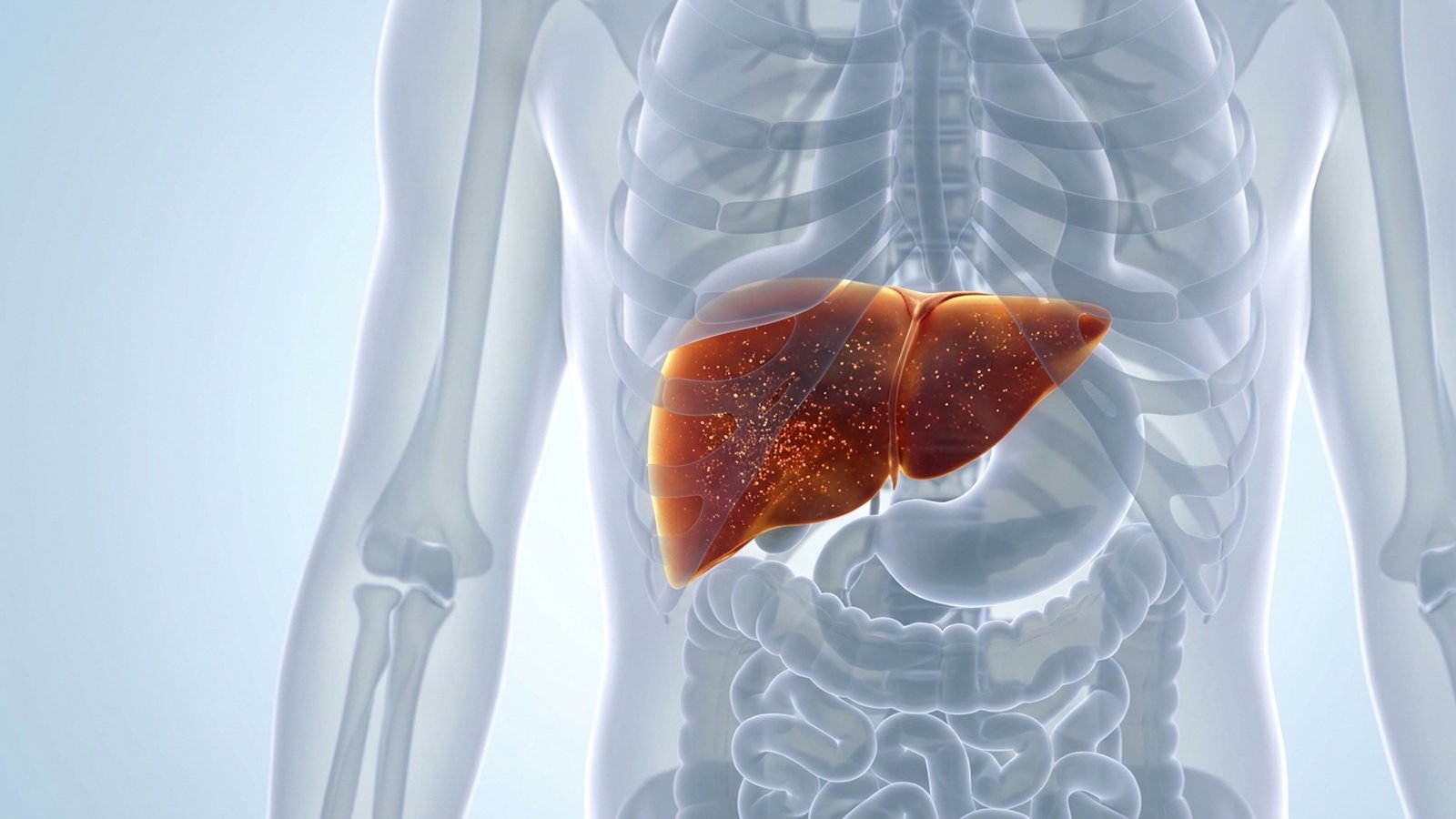
Hereditary haemochromatosis is a fault in iron regulation. The body has no way to excrete excess iron, so it controls the intake valve — absorption from food. In haemochromatosis, most often through variants in a single gene, the valve fails to close: absorption continues past need, and iron accumulates, year on year, in the liver, joints, pancreas and heart.
Among Australians of Northern European descent, roughly one in 200 carries the double dose of the main variant — which is what makes this the most common inherited condition in the country's largest ancestry group.
Why it hides, and why that matters
Accumulation is slow and the early symptoms — fatigue, joint aches — are ordinary. Left unfound over decades, the overload can damage the liver and other organs in ways that are far harder to undo. Found early, the story inverts completely: treatment is simple, effective and low-tech — regular removal of blood, much like donating, which draws down iron stores directly. Caught before organ damage, life expectancy is normal.
Few serious inherited conditions offer that combination: common, silent, easily detected, and genuinely fixable. It is the textbook argument for finding things early.
How blood testing finds it
The signature lives in ordinary iron studies. Transferrin saturation runs high — the transport system unusually full — alongside a rising ferritin. That pairing matters, because ferritin alone misleads: it rises with inflammation, illness and fatty liver, so a raised ferritin by itself is usually not haemochromatosis. High saturation is the pointer; persistent high ferritin is the load gauge.
A suggestive pattern leads, through a GP, to genetic confirmation — and a confirmed diagnosis makes testing worthwhile for first-degree relatives, since siblings in particular share meaningful odds of the same genotype.
What the genetics won't tell you
- That disease will develop. Penetrance is incomplete — many people with the at-risk genotype never accumulate harmful iron. The genotype is susceptibility; the iron studies are the reality check.
- Anything from ferritin alone. Without saturation alongside, a high ferritin has commoner explanations.
- That supplements are safe. Iron tablets and high-vitamin-C regimes work against anyone quietly accumulating — one more reason to test before supplementing iron, ever.
- The management plan. Confirmation, monitoring and treatment run through a GP and, where needed, a specialist.
The bottom line
Haemochromatosis is common, quiet, visible in a standard iron panel, and fixable when found — the strongest single case in Australian health for the kind of testing done while you feel fine. If your iron studies ever show high saturation with climbing ferritin, that pattern has a name, and it belongs in front of your GP.
Sources
- Haemochromatosis Australia. (n.d.). About haemochromatosis. https://haemochromatosis.org.au/
- Healthdirect Australia. (n.d.). Haemochromatosis. https://www.healthdirect.gov.au/haemochromatosis
- Pathology Tests Explained. (n.d.). Iron studies. https://pathologytestsexplained.org.au/
Dr Freda Steyn
Reviewed 17 August 2026. Health Hub articles are reviewed by our clinical team and revisited as guidance changes.