Microbiome testing sits at an unusual point on the evidence curve: the science is genuinely exciting, and the clinical interpretation is genuinely young. Both facts belong in the same article.
What the test does
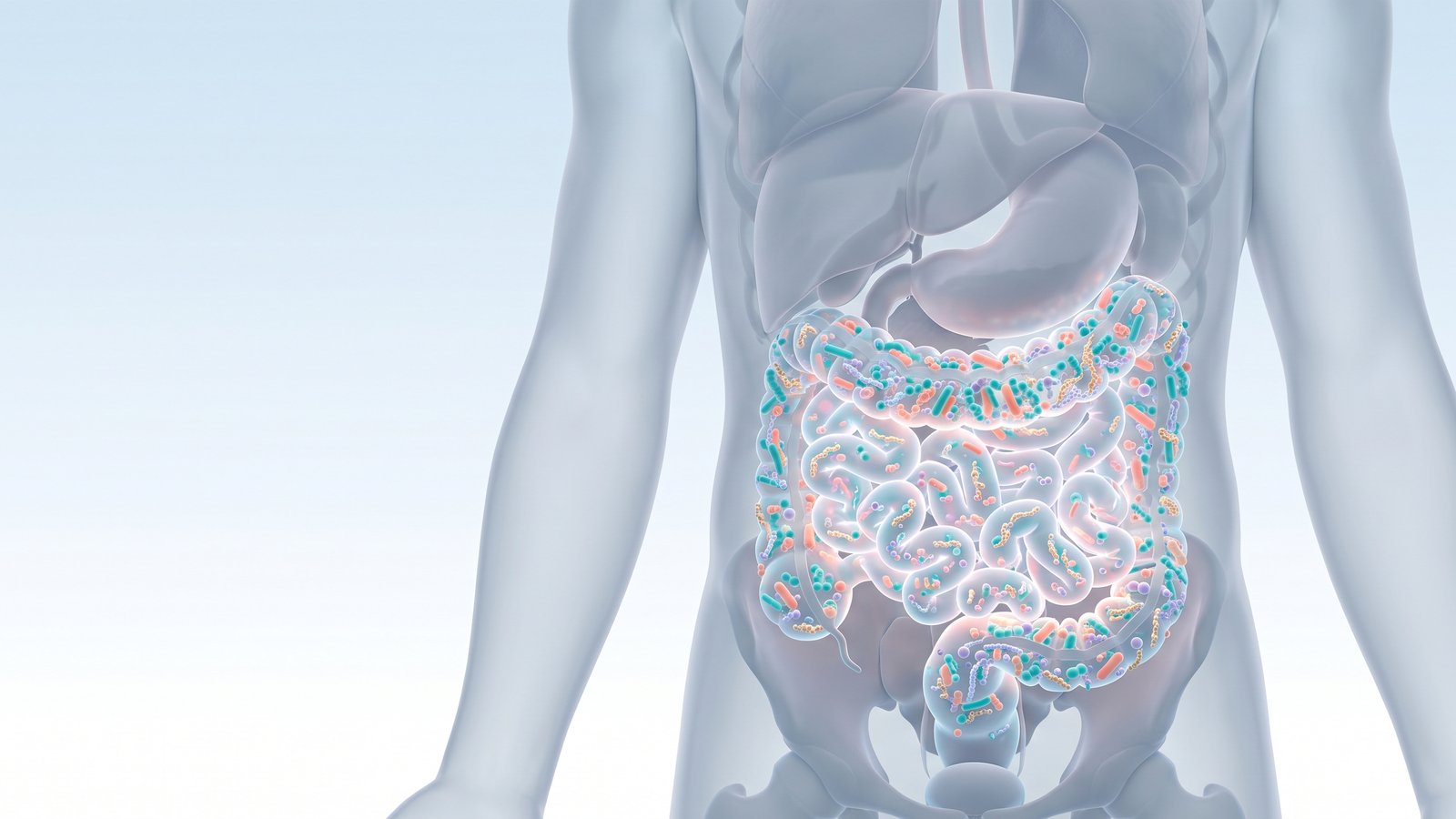
A gut microbiome test sequences the DNA in a stool sample to identify which microorganisms are present and in what proportions. From that it typically reports the composition of your gut community, a diversity measure — broadly, how varied the ecosystem is — and comparisons against reference populations. Function-focused panels may add markers of digestion and gut lining alongside the census.
What the science supports
The research linking gut microbes to health is real and growing fast: associations with digestion, immune function, metabolic health and more are well documented at the population level, and diversity is broadly associated with better outcomes. Diet visibly shapes the ecosystem — fibre variety above all — and shifts in composition are measurable within weeks of dietary change, which is where testing gets its most defensible use: seeing your own baseline, and seeing it respond.
Where the honesty comes in
Three limits, stated plainly. There is no agreed definition of a healthy microbiome — healthy people differ enormously, so "your bacteria differ from the reference" is an observation, not a finding. The ecosystem is dynamic — samples vary with recent diet, illness and antibiotics, so a single snapshot is one frame of a moving picture. And interpretation runs ahead of evidence in much of this industry — confident condition claims and personalised supplement protocols sold off a stool sample outrun what the research can support.
The boundary that matters most
A microbiome test is not a medical investigation. It cannot diagnose coeliac disease, inflammatory bowel disease, infection or cancer — and gut symptoms that are persistent or significant need a GP, not a sequencing report. In particular: bleeding, unexplained weight loss, persistent change in bowel habit, or symptoms that wake you at night are prompt-GP territory, whatever any wellness test says.
What a microbiome test won't tell you
- Whether your gut is "healthy". No reference standard exists to say so.
- What disease you have. Diagnosis is medicine's job, through medical tests.
- Exactly what to eat or take. Beyond the well-evidenced generalities — fibre, variety, fermented foods — precision prescriptions from composition data are ahead of the science.
- The same answer twice. Day-to-day and lab-to-lab variation is real; trends with one provider beat single snapshots.
The bottom line
A microbiome test is a census of a fascinating, fast-moving ecosystem — legitimate as a baseline and a trend, honest only when sold with its limits attached. The science deserves the excitement. The interpretation deserves patience. And symptoms deserve a doctor.
Sources
- CSIRO. (n.d.). Gut health research. https://www.csiro.au/en/research/health-medical/nutrition/gut-health
- Healthdirect Australia. (n.d.). Gut health. https://www.healthdirect.gov.au/gut-health
Dr Freda Steyn
Reviewed 17 August 2026. Health Hub articles are reviewed by our clinical team and revisited as guidance changes.