Health hub
All articles.
Every explainer in the hub — clinician-reviewed and written for people reading their own results.
Articles, page 3 of 4
 Thyroid
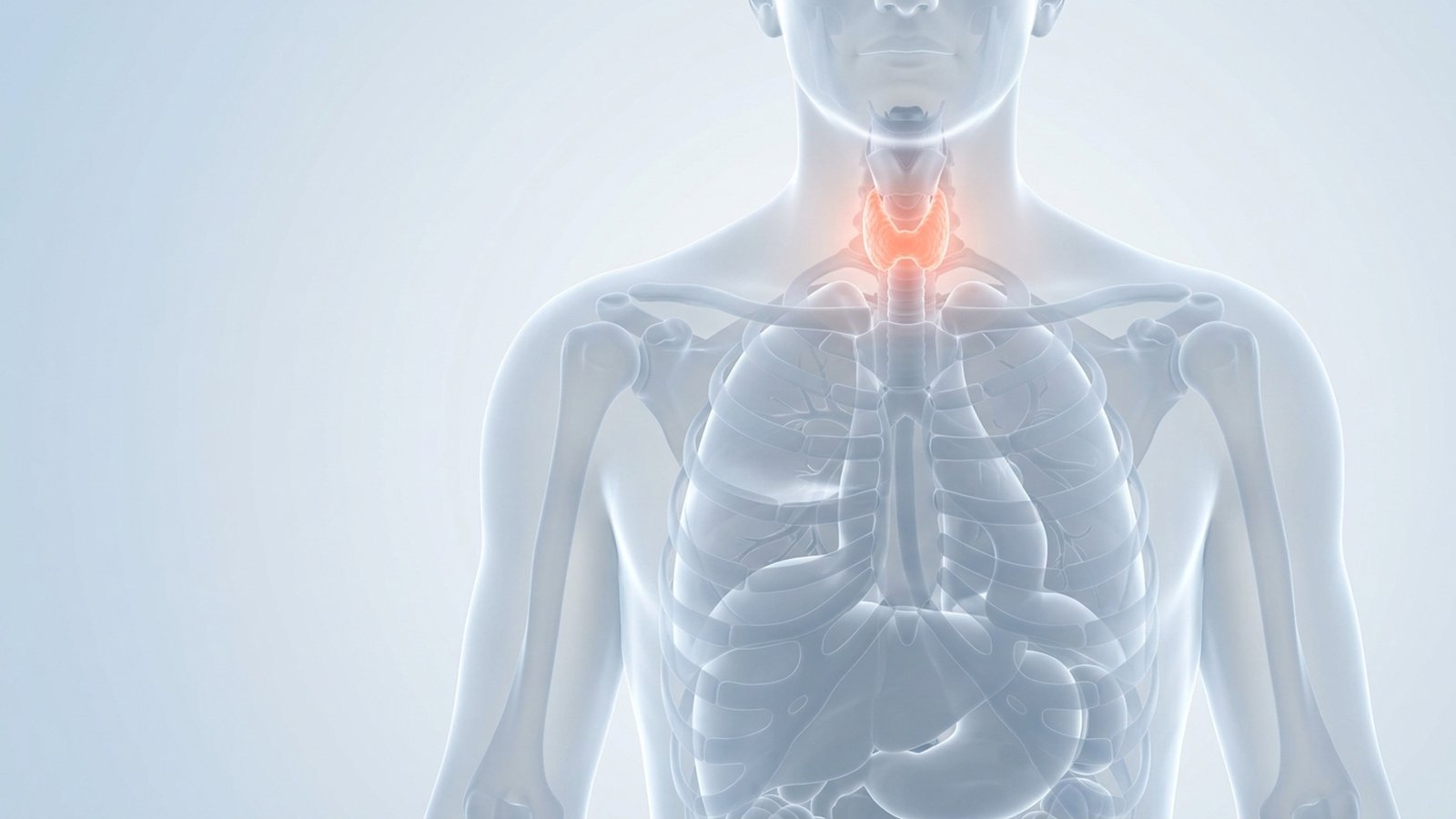
Biomarker 101: Thyroid-stimulating hormone (TSH)
TSH is the pituitary’s instruction to the thyroid, which is why a high reading points to an underactive gland.
 Thyroid
Biomarker 101: T4 (thyroxine)
T4 is the thyroid’s main output, and mostly inactive until the body converts it. Why free T4 tells you more than total T4.
 Thyroid
Biomarker 101: T3 (triiodothyronine)
T3 is the active thyroid hormone, and around 80 per cent of it is converted from T4 rather than made by the thyroid.
 Hormones
Biomarker 101: Prolactin
Known for lactation, but it also affects cycles, fertility and libido. Unusually easy to raise by accident.
 Hormones
Biomarker 101: Progesterone
Rises and falls dramatically across the cycle, so the day you test changes the result entirely.
 Hormones
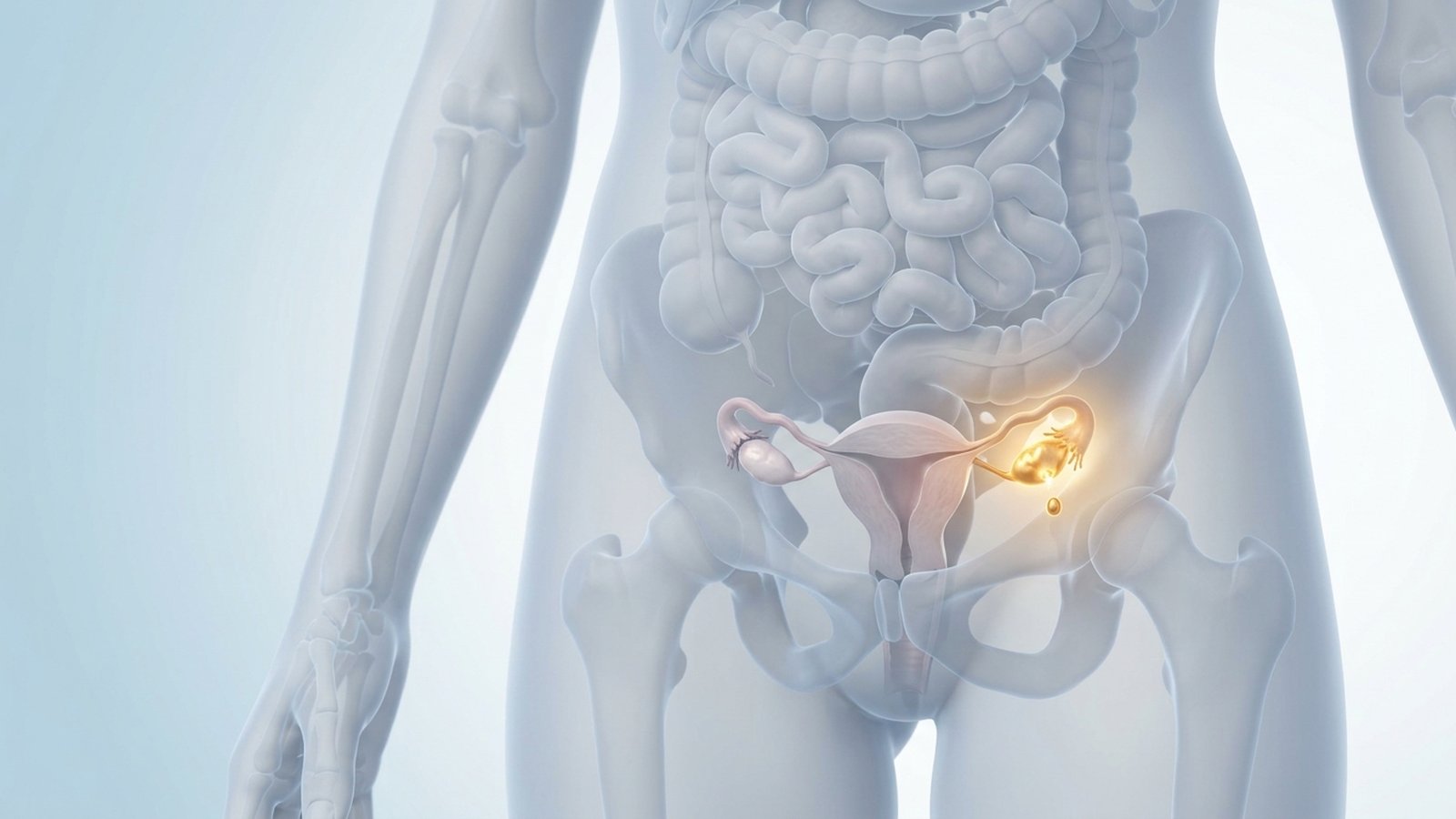
Biomarker 101: Oestrogen
What oestrogen regulates beyond reproduction - bone, mood, skin and cardiovascular function - and how levels shift with age.
 Fertility
Biomarker 101: Luteinising hormone (LH)
LH triggers ovulation in women and testosterone production in men. Why it is always read next to FSH.
 Fertility
Biomarker 101: Human chorionic gonadotropin (hCG)
The hormone pregnancy tests detect, and what a quantitative blood measurement adds over a urine test.
 Metabolic health
Biomarker 101: HbA1c
A three-month average of blood glucose in a single number. Why it is steadier than a fasting reading - and when it is unreliable.
 General health
Biomarker 101: Globulin
Not one protein but a whole category, covering transport proteins and antibodies. The albumin ratio says more than the number.
 General health
Biomarker 101: Gamma-glutamyl transferase (GGT)
Sensitive to alcohol, medications and bile flow. Why GGT is most useful read next to ALP rather than alone.
 Fertility
Biomarker 101: Follicle-stimulating hormone (FSH)
FSH drives egg and sperm development, and rises predictably with age. Why the cycle day you test on changes everything.
 Performance
Biomarker 101: Creatine kinase (CK)
An enzyme released when muscle is stressed. Why a hard session can push it far above the reference range.
 Immunity
Biomarker 101: C-reactive protein (CRP)
A general inflammation marker that rises with infection, injury or illness. What hs-CRP measures differently.
 Immunity
Biomarker 101: Antinuclear antibody (ANA)
A screening test for autoimmune investigation. Why a positive result is common in healthy people and often means very little.
 General health
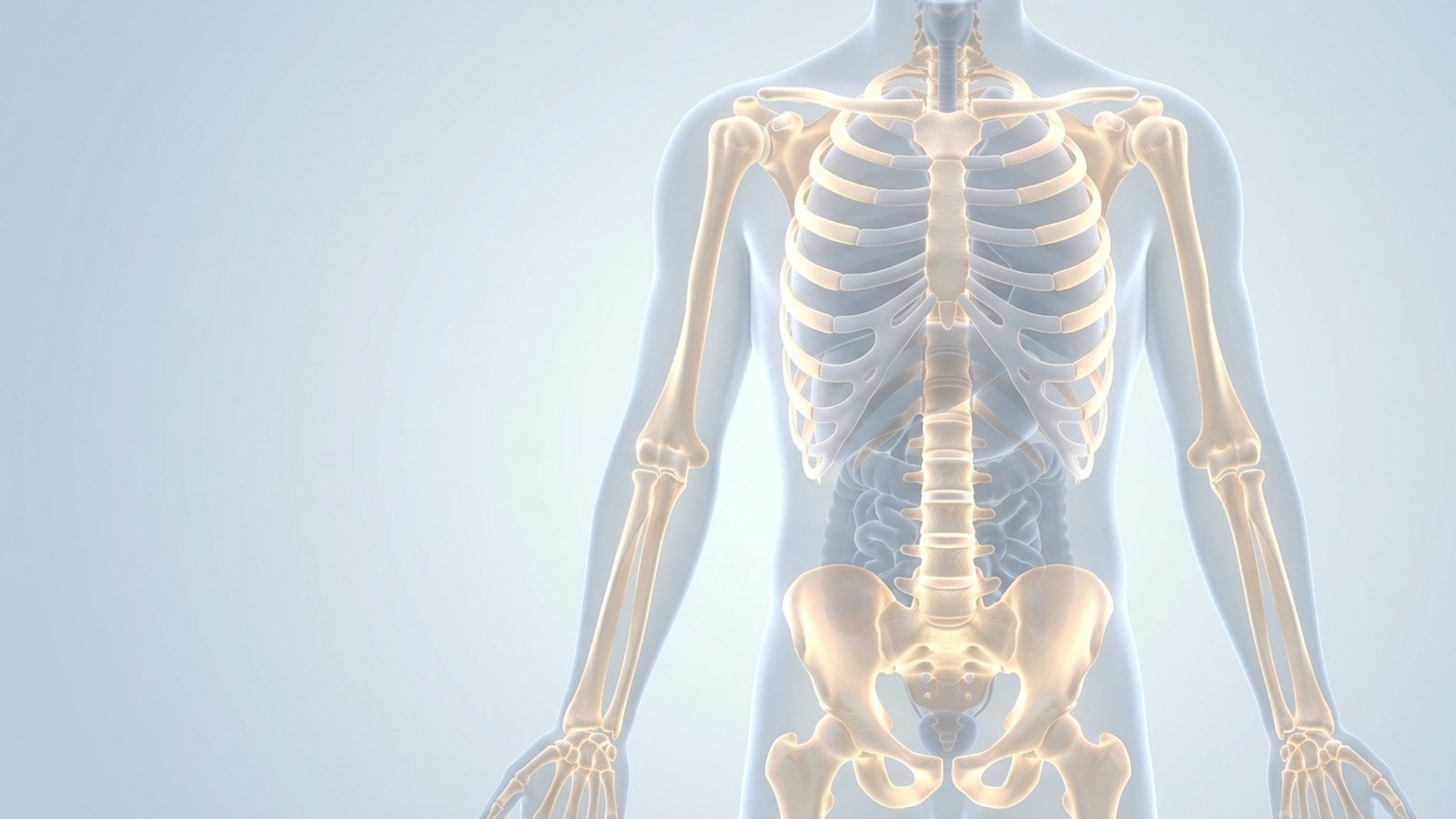
Biomarker 101: Alkaline phosphatase (ALP)
An enzyme from two different places - liver and bone - which is why ALP is never read on its own.
 General health
Biomarker 101: Albumin
The most abundant protein in blood. It reflects liver, kidney and nutrition at once - and quietly changes how other results read.
 General health
Biomarker 101: Alanine aminotransferase (ALT)
The liver enzyme most specific to liver cells. What raises it, from a heavy training week to a new supplement.
 Hormones
Biomarker 101: Testosterone and free testosterone
Total counts everything; free counts what is available to tissue. Why SHBG means the two can point different ways.
 Longevity
Biomarker 101: Insulin-like growth factor 1 (IGF-1)
A growth hormone proxy linked to muscle, recovery and ageing research. Why the "optimal" level is genuinely contested.
 Nutrition
Biomarker 101: Vitamin B12 and folate
Two vitamins doing overlapping work. Why testing one without the other can mask a deficiency that keeps progressing.
 Nutrition
Biomarker 101: Vitamin D
Mostly made in skin from sunlight rather than obtained from food. Why levels swing by season and who is worth testing.
 Nutrition
Biomarker 101: Calcium
Tightly regulated regardless of intake. Why a blood calcium result says little about your diet or your bones.
 Nutrition
Biomarker 101: Iron studies
Ferritin, transferrin, serum iron and saturation describe different stages of the same process - and the pattern shows how far along it has gone.
Showing 24 of 79 articles.